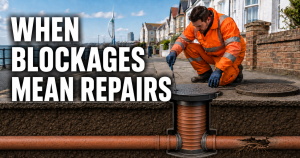
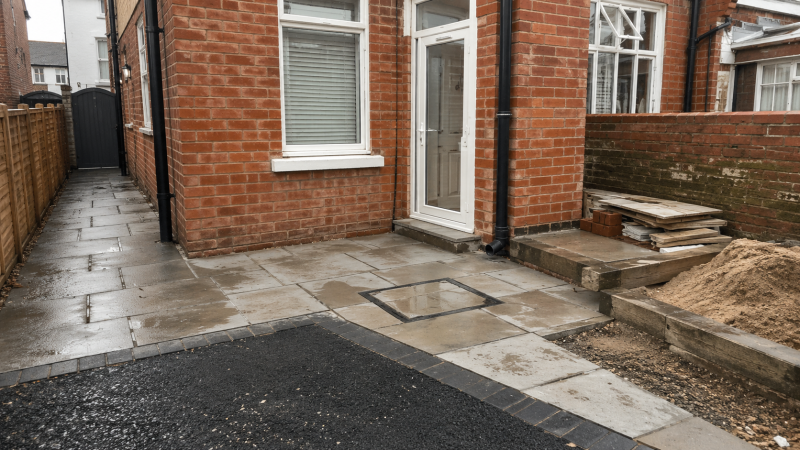
Portsmouth drain problems can appear after building work, even when the work itself looks neat from the outside. Extensions, patios, garden rooms, new kitchens, bathroom changes and driveway work can all affect old pipe routes, chamber access and underground drainage runs.
Sometimes the drain fault starts during the work. In other cases, the work simply covers an existing weak point, hides an inspection chamber or makes an old pipe harder to reach. The first warning sign may only appear later, when a toilet gurgles, an outside drain backs up or the same pipe blocks again.
Portsmouth Drains24 helps homeowners, landlords and businesses with drain unblocking, CCTV drain surveys, drain repairs and emergency drainage problems across Portsmouth and nearby areas.
Why building work can trigger Portsmouth drain problems
Building work can change the area around a drain. A new patio may cover a chamber. A side return extension may sit close to an old pipe. A garden room may add new waste connections. A driveway may place extra weight over a drain run.
These changes do not always cause trouble. However, they can expose poor pipework, weak joints or hidden access issues that already existed. They can also make a simple blockage harder to clear because the best access point no longer sits in plain view.
That is why drains need checking when problems start after recent building, paving or layout changes.
Common building work that can affect drains
Many Portsmouth homes have changed over time. Rear extensions, converted spaces and improved gardens can all place new demands on older drainage layouts.
Common examples include:
- Rear kitchen extensions built near existing drain runs.
- Side return work close to older pipework.
- New patios covering inspection chambers.
- Garden rooms with new waste pipes.
- Driveway resurfacing over shallow drains.
- Bathroom moves that add longer waste runs.
- Utility rooms connected into older drainage.
- Decking or raised paving hiding drain covers.
- New landscaping that changes ground levels.
- Building materials entering gullies or chambers during work.
Small changes can matter if the drain already has poor fall, damaged joints or limited access.
Warning signs after building work
Drain problems after building work may start quietly. The first signs often look like a normal blockage, but the timing can give an important clue.
Watch for:
- A drain blocking soon after an extension, patio or driveway project.
- Gurgling from toilets, sinks, baths or showers.
- Water backing up at an outside drain or gully.
- Bad smells near new paving or a recently altered area.
- Slow drainage from a new kitchen, bathroom or utility room.
- Water holding in an inspection chamber.
- The same drain blocking more than once.
- A chamber cover that no longer opens easily.
- Damp patches near new paving or an extension wall.
- Wastewater backing up after several fixtures run at once.
One warning sign may have a simple cause. However, several signs together can point to a drain route, access or pipe condition issue.
Covered inspection chambers
Covered inspection chambers cause many post-building-work drain problems. A chamber gives engineers access to the drainage system so they can clear blockages, check flow and inspect the pipe.
Patios, decking, sheds, steps, storage and garden work can all cover chamber lids. Sometimes the cover still exists but sits below the new surface. In other cases, paving or gravel makes it hard to find.
When engineers cannot reach the right chamber, they may need to clear the drain from a less direct point. That can take longer and may limit what they can check.
Changed pipe routes and new connections
Building work can add new waste connections or change how water reaches the main drain. A new kitchen, bathroom, cloakroom or utility room may connect into existing pipework. If the new route has poor fall or joins the drain badly, waste can slow down and collect.
Longer pipe runs can also create more places for grease, soap, hair and paper to catch. This matters most where older drains already run close to their limit.
If problems start after a new connection goes in, engineers may need to check how the new waste line joins the original drain.
Why older Portsmouth drainage layouts need care
Many Portsmouth properties have older drainage layouts. Some homes have rear additions, shared runs, tight side access or drains that pass beneath yards and paved areas.
Older pipes can keep working for years, but building work can make faults easier to notice. A weak joint may start to leak. A shallow pipe may suffer under extra load. A chamber may become hard to reach. A poor connection may start catching waste.
Because layouts can vary from one property to the next, engineers should check the actual pipe path rather than assume where the drain runs.
Building near drains and inspection chambers
Drainage access matters during building work because future faults still need a route for checking and clearing. GOV.UK’s Approved Document H gives guidance for drainage and waste disposal in England, including foul water drainage, pipework, manholes and inspection chambers. Portsmouth City Council also includes drain and plumbing tests within building control site inspection guidance.
Where work sits close to public sewers or important drain runs, homeowners may also need advice from the right water authority or building control route. RICS guidance notes that consultation with the local water authority may apply when building near or over a public sewer, and that foundations should not undermine or load drainage pipework.
This does not mean every patio or small project needs a major drainage survey. However, it does show why drain routes and access points deserve attention before and after work.
How CCTV surveys help after building work
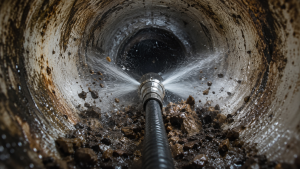
A CCTV survey gives engineers a clear view inside the drain. The camera can show whether the pipe has cracks, open joints, poor fall, standing water, silt, root entry or building debris.
This helps after building work because the visible problem may sit away from the real fault. A new patio may look fine, but the drain below may have poor access. A new bathroom may drain slowly because the pipe joins badly further along the run.
A CCTV drain survey can help confirm the pipe route and show whether the fault sits near the new work, in an older section or further downstream.
Building debris inside drains
Building debris can also cause blockages. Sand, cement washout, tile adhesive, rubble, plaster, grout and soil should not enter drains. Even small amounts can settle in low points or catch on rough pipe sections.
Once material hardens or collects inside the drain, normal flow can become harder. Water may still pass at first, but waste can catch behind the debris and form a blockage later.
If a drain starts blocking after work finishes, debris should sit high on the list of possible causes.
When drain unblocking may solve the issue
Some post-work drainage problems come from a simple blockage. Leaves, waste, grease, wipes or small debris may sit in the pipe or chamber and slow the flow.
A drain unblocking visit can restore flow where the pipe remains sound and the blockage has a clear cause. Engineers can also check whether water moves away properly once the blockage clears.
If the same drain blocks again, the pipe may need a closer check. Repeat problems often point to access, pipe condition or poor fall rather than a one-off blockage.
When drain repairs may be needed
Drain repairs may become necessary when building work exposes or worsens an underground fault. The issue may involve a cracked pipe, a moved joint, a damaged chamber, poor fall or a section that has lost support.
Repair warning signs include:
- Repeated blockages in the same place.
- Standing water inside the pipe on CCTV footage.
- Cracked or broken pipe sections.
- Open joints catching waste.
- Roots entering through a weak point.
- Water leaking into surrounding ground.
- A damaged chamber connection.
- A pipe run affected by new foundations or heavy surfacing.
Drain repairs should match the fault, pipe depth, access and route. CCTV evidence can help reduce guesswork before repair work starts.
Problems with patios, driveways and garden rooms
Patios, driveways and garden rooms can all create drainage access problems. A neat new surface may hide an old chamber or make a shallow drain harder to reach.
Driveways can also place weight over old pipework. Garden rooms may need new waste connections. Patios may change surface levels and direct water towards places that already struggle.
Before work starts, homeowners should know where the drains run and where the chambers sit. After work finishes, they should still keep access points clear.
Shared drains and neighbouring properties
Some Portsmouth homes share drainage runs with neighbouring properties. This can make post-building-work drainage problems harder to understand.
A blockage may appear near one house, but the cause may sit along a shared pipe. New work at one property may also affect access to a chamber used by more than one home.
If several homes notice smells, slow drainage or backing up at the same time, the issue may need a wider check of the shared run.
When the problem becomes urgent
Drain problems after building work can become urgent when foul water backs up or the property loses normal drainage.
Call for help quickly if:
- Toilets stop clearing.
- Wastewater backs up inside the property.
- An outside drain overflows with foul water.
- Several fittings stop draining at once.
- A chamber fills and does not empty.
- Bad smells become strong after recent work.
- Water appears near an extension wall or new paving.
- The same drain blocks again soon after clearing.
For urgent problems, emergency drainage services can help restore flow and reduce the risk of further mess.
What homeowners can check safely
Homeowners can make a few simple checks before calling for drainage help. These checks can help explain what changed and where the problem may sit.
- Check whether the problem started after building, patio or driveway work.
- Look for chamber covers near the new work.
- Check whether paving, decking or storage now blocks access.
- Notice which fittings drain slowly first.
- Ask the builder where new waste pipes connect.
- Keep any photos or plans from the work.
- Check whether neighbours have similar problems.
- Avoid flushing wipes, grease or heavy paper while the drain struggles.
Do not lift heavy or damaged covers if they look unsafe. Also avoid strong drain chemicals where wastewater has backed up, as they may not solve the fault and can make the area unpleasant to work around.
How to reduce drainage problems during future work
Good planning can reduce many avoidable drainage problems. Before starting building or landscaping work, homeowners should check drain routes, chamber positions and access points.
- Find inspection chambers before work starts.
- Ask how new waste pipes will connect to the existing drain.
- Keep chamber covers easy to reach.
- Avoid building fixed features over access points.
- Keep debris, cement and washout away from drains.
- Consider CCTV checks if the drain route looks unclear.
- Keep records of drainage changes for future owners.
- Ask for a post-work check if problems start soon after completion.
These steps help protect the drainage system and make future checks much easier.
Get Portsmouth drain problems checked after building work
Portsmouth drain problems after building work can come from covered chambers, changed pipe routes, poor connections, debris, damaged joints or older pipes that no longer cope well. A neat new patio, extension or garden room can still hide a drainage issue underneath.
Portsmouth Drains24 can help with drain unblocking, CCTV drain surveys, drain repairs and emergency drainage problems across Portsmouth.
If a drain starts blocking, smelling or backing up after building work, it is worth checking the pipe route and access before the problem becomes harder to deal with.
FAQs
Can building work cause drain problems?
Yes. Building work can cover inspection chambers, change pipe routes, add new waste connections, damage old drains or allow debris into the drainage system.
Why do drains block after a new patio or extension?
Drains may block after a patio or extension if access points have been covered, debris has entered the pipe, new connections have poor fall, or older pipework has damage.
Should I get a CCTV drain survey after building work?
A CCTV drain survey can help if drains start blocking, smelling or backing up after building work. It can show pipe routes, damage, debris, standing water and access issues.
Can drain unblocking fix post-building-work drainage problems?
Drain unblocking can restore flow if the issue comes from a blockage. If the same problem returns, the drain may need CCTV checks or repair advice.
Can Portsmouth Drains24 help with drains affected by building work?
Yes. Portsmouth Drains24 can help check drain problems after extensions, patios, driveway work, new waste connections and other home changes.