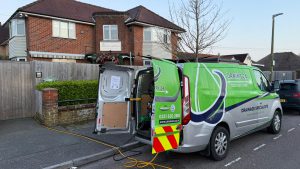
A drain survey Portsmouth property owners arrange can reveal problems that are impossible to see from the surface. A drain may still flow, but hidden cracks, root entry, silt, displaced joints or damaged pipework can sit underground and cause problems later.
CCTV drain inspections are useful when drains keep blocking, bad smells return, water drains slowly, repairs are being considered or a property buyer wants to understand the condition of the drainage system before committing.
Portsmouth Drains24 helps homeowners, landlords, businesses and property buyers inspect underground drainage systems clearly, so they can understand the problem and decide what to do next.
Why a drain survey Portsmouth property needs can prevent guesswork
Drainage problems often look similar from the surface. A slow-draining toilet, overflowing gully or bad smell may come from a simple blockage. It may also point to damaged pipework, root intrusion, poor gradients or a collapsed section.
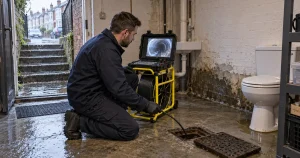
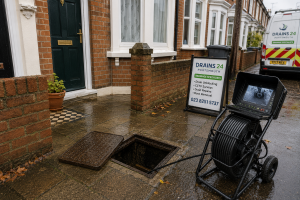
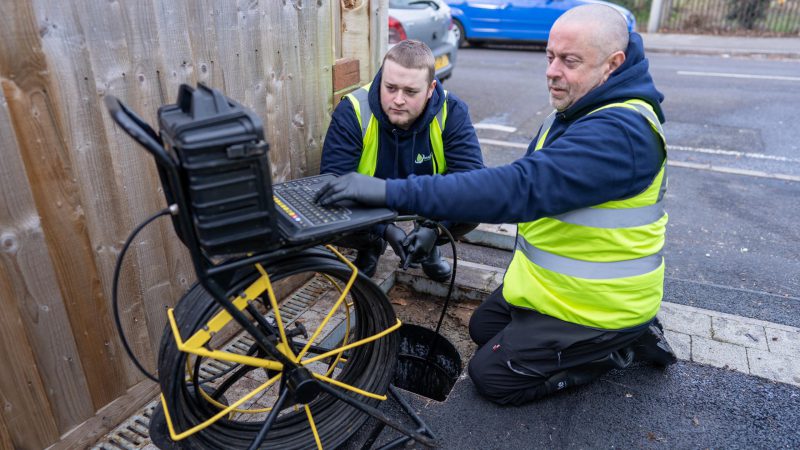
A CCTV survey helps remove guesswork. The camera travels through the pipe and records what is happening inside the drainage run.
A proper drain survey Portsmouth inspection can show whether the issue needs cleaning, root removal, repair work or continued monitoring.
Cracks in underground drain pipes
Cracked pipes are one of the main defects a CCTV inspection can identify. A crack may start small, but it can allow water to escape from the pipe or let soil and groundwater enter.
Over time, this can weaken the surrounding ground, encourage silt build-up and increase the risk of repeat blockages.
A CCTV survey can show where the crack sits, how severe it appears, and whether repair work may be needed.
Tree roots entering the drain
Tree roots often enter drains through small cracks, loose joints or weak seals. Once inside, they catch paper, wipes, grease, silt and other debris.
The drain may clear temporarily after jetting or cutting, but the same problem can return if the root entry point remains open.
Where roots are found, root removal may need to be followed by repair advice, especially if the same section keeps blocking.
Displaced joints and pipe movement
Drain pipes need a clear route and correct fall. If a joint moves out of line, it can create a lip inside the pipe. Waste then catches on the edge and the drain may block repeatedly.
CCTV footage can show whether pipe sections have shifted, separated or become misaligned. This information helps the engineer decide whether cleaning is enough or whether a repair option should be considered.
Displaced joints are easy to miss without camera inspection because the drain may still flow between blockages.
Collapsed or partly collapsed drains
A collapsed drain can stop wastewater from moving properly. In some cases, the pipe only collapses partially, so water may still pass through while debris catches around the damaged area.
Signs of possible collapse can include repeated blockages, ground movement, dipping surfaces, foul smells, water sitting in the drain or visible damage inside an inspection chamber.
If CCTV inspection shows a collapse, drain repairs may be needed to restore the pipe properly.
Silt, scale and debris build-up
Not every CCTV finding means the pipe is broken. Some surveys show heavy silt, scale, grease or debris inside the drain.
This can reduce pipe capacity and make blockages more likely, especially during heavy use or wet weather.
If the pipe itself looks sound, cleaning or jetting may be enough to restore flow. A drain unblocking visit can clear the obstruction and help the engineer test whether the drain runs properly afterwards.
Poor gradients and standing water
Drain pipes need enough fall to move wastewater away. If the pipe has a low section, water may sit inside the drain instead of flowing freely.
Standing water can encourage silt, grease and debris to settle. It can also create repeat blockage points.
A CCTV survey can show where water is sitting in the pipe. This helps identify whether the problem is a simple obstruction or a layout issue that may need further attention.
Pitch fibre and older pipe materials
Some older drains use materials that can deform, blister or lose their shape over time. Pitch fibre pipework, older clay sections and damaged joints can all create drainage problems if they deteriorate.
A CCTV survey helps identify the visible condition of the pipe material. It can also show whether the pipe still has a clear bore or whether it has narrowed, cracked or moved.
This is useful before choosing between cleaning, lining, patch repair, excavation or replacement.
Hidden causes of bad drain smells
Bad drain smells can come from trapped waste, dry traps, poor ventilation, blocked gullies, damaged pipework or stagnant water inside the drain.
If smells return after cleaning, CCTV inspection can help check whether there is a hidden defect inside the pipe.
A survey may show waste catching on a joint, standing water, root intrusion, a crack or another issue that explains why the smell keeps coming back.
When CCTV is useful after a blocked drain
A CCTV survey is not needed after every blocked drain. If the cause is obvious and the drain clears properly, further inspection may not be necessary.
However, CCTV can help when:
- The same drain blocks more than once.
- The cause of the blockage is unclear.
- Roots, cracks or damage are suspected.
- The drain still runs slowly after clearing.
- Water sits in the pipe after unblocking.
- Repair work is being considered.
- A property buyer wants drainage evidence before purchase.
In these cases, camera inspection helps give a clearer answer.
Drain surveys before repairs
Repair work should be based on evidence, not guesswork. A CCTV survey can show what type of damage exists, where it sits and how serious it appears.
This helps decide whether the drain may need patch repair, lining, excavation, replacement, root removal or cleaning.
It can also reduce unnecessary disruption because the repair can target the affected section more accurately.
Drain surveys for Portsmouth property buyers
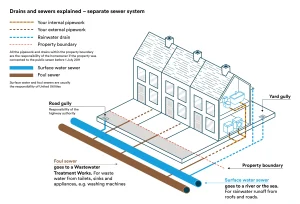
A CCTV drain survey can help buyers understand the condition of underground drainage before purchase. This is useful because drainage defects may not appear during a normal viewing.
The survey may show cracks, root intrusion, poor pipe condition, displaced joints, signs of collapse or drainage layouts that need further checking.
The National Association of Drainage Contractors explains that homebuyer drain surveys can identify structural condition, misconnections, ownership issues, mapping information and other drainage findings. NADC guidance on homebuyer drain surveys is a useful reference for understanding why proper reporting matters.
What a useful survey report should explain
A useful drain survey report should help the customer understand what the camera found. It should not rely only on technical terms.
The report may include:
- The drainage sections inspected.
- Images or stills from the footage.
- Visible defects and likely causes.
- Location notes for important findings.
- Pipe condition observations.
- Repair or cleaning recommendations.
- Advice on whether further investigation is needed.
The aim is to give clear next steps, not just footage.
Clear findings help avoid repeat disruption
A drain survey can help explain why a drainage problem is happening and whether the issue is likely to return. It can also support repair planning, property purchase decisions and maintenance advice.
Portsmouth Drains24 can help with CCTV drain surveys, blocked drains, drain unblocking, root removal and drain repairs across Portsmouth and nearby areas.
If a drain keeps blocking, smells return or damage is suspected, a CCTV inspection can help show what is happening underground.
FAQs
What can a drain survey in Portsmouth find?
A drain survey can find cracks, displaced joints, root intrusion, silt, scale, standing water, damaged pipes, poor gradients, partial collapse and other hidden drainage issues.
Do I need a CCTV survey after every blocked drain?
No. A CCTV survey is usually most useful when the blockage returns, the cause is unclear, damage is suspected or the drain still runs slowly after clearing.
Can a CCTV drain survey find tree roots?
Yes. CCTV footage can show roots inside the pipe, where they have entered and how much they are restricting the drain.
Can a drain survey help before repairs?
Yes. A survey can show the fault, location and severity, which helps decide whether cleaning, patch repair, lining, excavation or replacement is needed.
Is a drain survey useful before buying a Portsmouth property?
Yes. A CCTV survey can reveal hidden drainage defects before purchase and help buyers understand the condition of the underground drainage system.