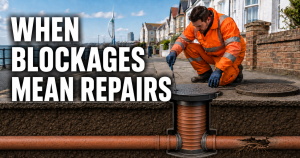
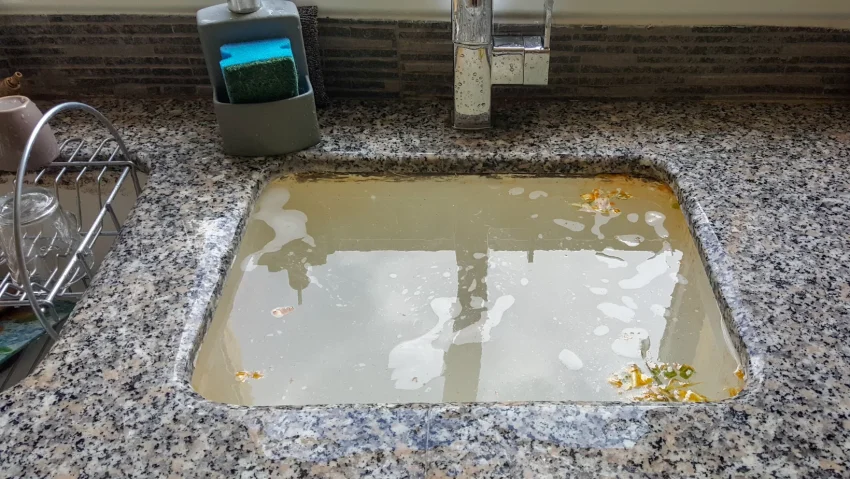
A slow-draining sink is one of the most common drainage problems for Portsmouth households. It often starts gradually — water sitting in the basin for a few seconds longer, a slight gurgling sound, or the beginning of an unpleasant smell. While it might seem like a minor annoyance, a slow-draining sink can indicate deeper issues inside your pipework that should never be ignored.
In this guide, we explore why slow drainage happens, what it reveals about your home’s pipes, and the early warning signs Portsmouth homeowners should look for before a small issue becomes a costly repair.
Why Slow-Draining Sinks Matter
A sink draining slowly is more than a surface-level problem. It often shows that something inside the system is restricting water flow. When your pipes cannot carry wastewater away efficiently, pressure builds, debris accumulates faster, and the pipe can eventually block completely.
Ignoring these early signs leads to expensive repairs, foul smells, and even water backing up into your kitchen or bathroom.
Common Causes of Slow-Draining Sinks
Slow drainage rarely happens for one single reason — it is usually the result of several small issues inside your pipes. Here are the most common causes Portsmouth homeowners face:
1. Fat, Oil, and Grease Build-Up
The biggest culprit in kitchen sinks is grease. Even when poured away in liquid form, it hardens as it cools, sticking to pipe walls. Over time, this creates thick, sticky layers that slow wastewater significantly.
2. Hair and Soap Scum
Bathroom sinks and basins often contain trapped hair and soap residue. When mixed together they form dense clumps that lodge inside the trap or pipe bends.
3. Limescale in Older Portsmouth Properties
Portsmouth has pockets of moderately hard water. In older homes, this leads to limescale building up inside pipes, reducing the diameter and slowing the flow.
4. Foreign Objects and Small Debris
Cotton buds, food scraps, and cosmetic products often fall into sinks and create partial blockages.
5. Poor Ventilation or Air Traps
Drainage systems need airflow to allow water to drain smoothly. When air becomes trapped or vent pipes become blocked, sinks develop sluggish drainage and gurgling noises.
6. Structural Pipe Problems
Sometimes the cause lies deeper:
- Collapsed sections
- Misaligned pipe joints
- Tree root intrusion (more common in ground-level pipes)
- Ageing clay or cast-iron pipework
These require professional diagnosis.
Signs That Your Slow Drain Is a Bigger Issue
Some symptoms clearly indicate that the slow drainage is not just a surface blockage:
1. Gurgling Sounds
This happens when water displaces trapped air inside the pipes. It can signal a partially blocked vent system or deeper obstructions.
2. Unpleasant Odours
Bad smells coming from the sink or plughole mean rotting waste or stagnant water is present in the pipework.
3. Water Rising in Other Fixtures
If running your kitchen sink causes your bathroom basin to bubble, the issue is in a shared pipe deeper in the drainage system.
4. Very Slow or Stop-and-Start Drainage
This often means debris has built up to a level that is restricting most of the water.
5. Water Backups
Any form of water returning after draining is a warning sign of an imminent full blockage.
Why This Happens Frequently in Portsmouth
Portsmouth’s dense housing layout, older pipe systems, and proximity to tidal water all affect drainage performance. Many Victorian and mid-20th-century properties still use narrow-diameter pipes, and some older clay pipe systems are more prone to root intrusion and misalignment.
When slow drains occur in these older homes, it’s often the first sign of progressive pipe deterioration.
When You Can Fix It Yourself
Some slow-drain problems are easy to resolve with simple home maintenance:
1. Clean the Sink Trap
Removing and cleaning the U-bend can remove trapped debris like food or hair.
2. Use Boiling Water (Kitchen Sinks Only)
Boiling water can help melt fats and oils inside the pipe.
3. Use a Plunger
A plunger can shift minor blockages by increasing pressure within the pipe.
4. Remove Hair and Soap Scum
A small drain snake or hair tool can clear bathroom sinks easily.
Avoid harsh chemical drain cleaners. They often cause pipe corrosion, especially in older Portsmouth properties.
When to Call a Professional
Certain problems require an expert drainage engineer:
1. Repeated Slow Drainage
If the issue returns within days or weeks, the problem is deeper.
2. Multiple Sinks or Appliances Affected
This points to a main pipe obstruction.
3. Bad Smells That Don’t Go Away
Persistent odours mean built-up waste that needs professional cleaning.
4. Gurgling Across the House
Indicates vent problems or air pressure issues.
5. Water Backing Up
This is an emergency sign of a developing full blockage.
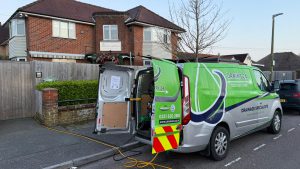
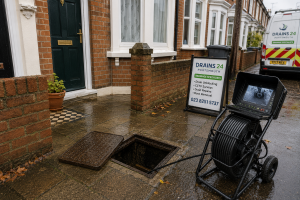
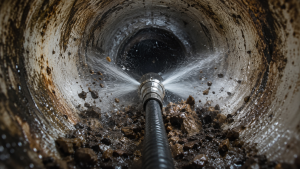
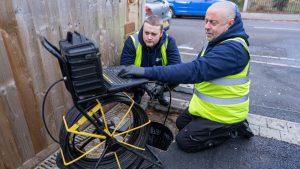
Drains24 engineers use CCTV surveys and high-pressure jetting to diagnose and clear these problems safely.
How to Prevent Slow-Draining Sinks
Prevention is far easier than dealing with a full blockage. Simple habits help:
- Avoid pouring grease down the sink
- Install hair catchers in bathroom basins
- Run hot water after washing up
- Clean the trap occasionally
- Avoid flushable wipes — they aren’t truly flushable
- Dispose of food waste properly
With these small steps, the chances of major pipe issues reduce significantly.
Local Expertise for Portsmouth Homes
Portsmouth’s mix of older terraces, seafront flats, and post-war homes gives each property type its own drainage challenges. Slow drains are extremely common, and catching the issue early prevents more expensive repairs such as blockage removal, jetting, or pipe relining.
If you notice any early warning signs, getting a quick CCTV check or a professional unblocking service can save significant time and money.
A slow-draining sink might seem like a minor inconvenience, but it often reveals deeper issues inside your pipe system. Understanding the early signs, knowing when to act, and getting expert help when needed can prevent serious drainage problems in your Portsmouth home.
FAQs About Slow-Draining Sinks in Portsmouth
Q1: What causes slow draining sinks in Portsmouth homes?
Slow draining sinks in Portsmouth are usually caused by grease, food waste, hair, soap scum or scale building up inside the pipes. In older properties, reduced pipe diameters and ageing pipework can also make blockages more likely.
Q2: Is a slow draining sink always a sign of a serious problem?
Not always, but it is an important early warning sign. Sometimes the issue is just local debris in the trap, but repeated slow draining often points to deeper blockages or restricted pipework that should be checked by a professional.
Q3: Can I use chemical drain cleaners to fix a slow draining sink?
Chemical drain cleaners can sometimes clear light build-ups, but they can also damage older pipe materials and fittings. In many Portsmouth homes, safer methods like trap cleaning, plunging or professional jetting are a better long-term solution.
Q4: When should I call a drainage specialist about a slow draining sink?
You should call a specialist if the sink keeps slowing down after you clear it, if multiple sinks are affected, if there are bad smells, or if water starts backing up. These signs suggest deeper blockages or pipe problems that need expert attention.
Q5: How can I prevent slow draining sinks in the future?
Dispose of grease and oil in the bin, use strainers to catch hair and food scraps, run hot water after washing up, and avoid flushing wipes or non-biodegradable products. Regular preventative maintenance greatly reduces the risk of blockages.