Many properties in Southsea rely on older drainage systems that were installed long before modern materials became standard. As a result, drain repairs are a common issue across the area, particularly in Victorian and Edwardian homes where original pipework may still be in use.
Drain damage rarely happens overnight. Instead, small faults often develop slowly, before turning into more serious problems that disrupt daily life.
Why Drain Repairs Are Common in Southsea
Several local factors increase the likelihood of drainage damage in Southsea homes. Coastal ground conditions can contribute to gradual soil movement, which places stress on underground pipework. In addition, older clay pipes are more vulnerable to cracking and joint failure than modern alternatives.
Furthermore, properties with limited external space often have drains running beneath floors or extensions, making early issues harder to spot.
Common Signs That Drain Repairs May Be Needed
Drain damage usually produces warning signs before a complete failure occurs. Homeowners in Southsea should pay attention to persistent issues rather than treating them as isolated incidents.
These signs often include:
- Repeated blockages in the same fixtures
- Gurgling sounds when water drains away
- Slow drainage affecting multiple rooms
- Unpleasant odours around inspection covers
- Damp patches or sinkholes forming outdoors
When these symptoms appear together, they often indicate structural damage rather than a simple blockage.
What Causes Drain Damage in Residential Properties
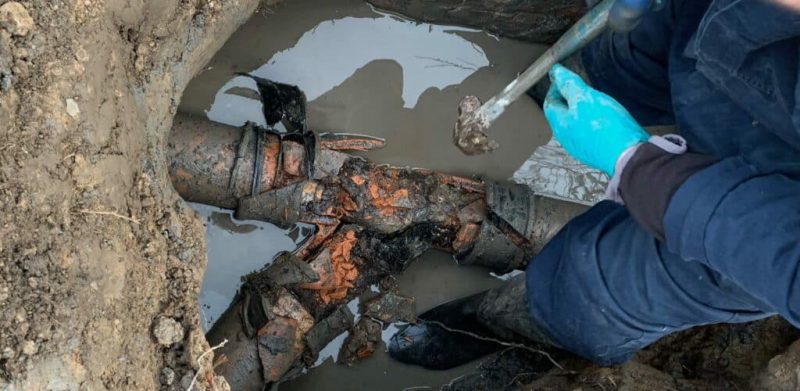
Drain repairs are commonly required when pipework deteriorates or shifts. In Southsea, this can happen for several reasons. Ground movement, minor subsidence, and long-term wear can all weaken older drainage systems.
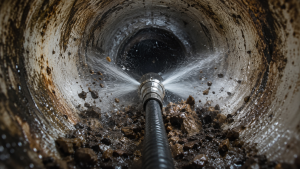
In some cases, poor historical repairs or outdated materials contribute to ongoing problems. Over time, even small cracks allow debris to enter the system, leading to recurring blockages and eventual failure.
How Drain Repairs Are Diagnosed
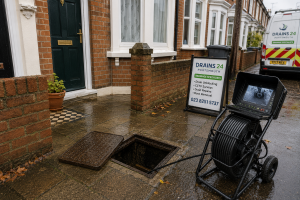
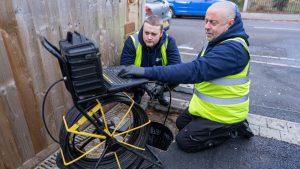
Before repairs begin, it is essential to identify the exact cause of the problem. Drain specialists typically use CCTV surveys to inspect pipework internally, allowing them to pinpoint fractures, collapses, or displaced joints without unnecessary excavation.
This approach ensures repairs are targeted, proportionate, and carried out with minimal disruption to the property.
When Repairs Are the Better Option
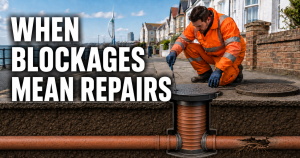
While clearing a blockage may offer short-term relief, damaged drains usually require repair to prevent repeat issues. Once structural faults are confirmed, repairing the affected section can restore proper flow and extend the lifespan of the drainage system.
Addressing damage early often prevents more extensive repairs later, particularly in properties with drains located beneath buildings or shared boundaries.
Maintaining Repaired Drainage Systems
After repairs are completed, routine maintenance helps protect the system going forward. Periodic inspections and prompt attention to early warning signs reduce the risk of further damage and unexpected disruption.
For Southsea homeowners, proactive care is often more cost-effective than repeated emergency call-outs.
FAQs
How long do drain repairs usually take?
Most residential drain repairs can be completed within a day, depending on the extent of the damage and access to the pipework.
Are drain repairs disruptive?
Modern repair methods minimise disruption. CCTV surveys and targeted repairs often avoid the need for large-scale excavation.
Can damaged drains cause damp problems?
Yes. Cracked or leaking drains can allow wastewater to escape into surrounding ground, leading to damp patches or subsidence.
Do older Southsea properties need repairs more often?
Older homes are more likely to have clay or pitch fibre pipes, which are prone to deterioration over time.
Should I repair or replace damaged drains?
This depends on the condition of the pipework. Localised damage can often be repaired, while widespread deterioration may require replacement.