Drainage issues in Portsmouth often start long before homeowners notice visible symptoms. With many properties featuring ageing clay pipes, shared drainage networks, or root-prone gardens, hidden problems can develop deep within the system. CCTV drain surveys offer one of the most accurate and cost-effective ways to detect issues early — before they turn into expensive repairs.
This full guide explains how CCTV inspections work, the benefits for Portsmouth homes, and when you should book one.
🎯 Why CCTV Surveys Matter More in Portsmouth
Portsmouth’s drainage network is among the most complex in the South Coast, due to:
- High-density housing
- Victorian and pre-war pipework
- Clay subsoil prone to shifting
- Coastal conditions increasing corrosion
- Shared drainage lines in terraced homes
This combination means hidden issues are more likely to progress without early warning signs.
🔍 What a CCTV Survey Actually Shows
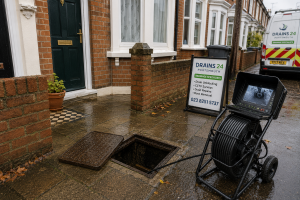
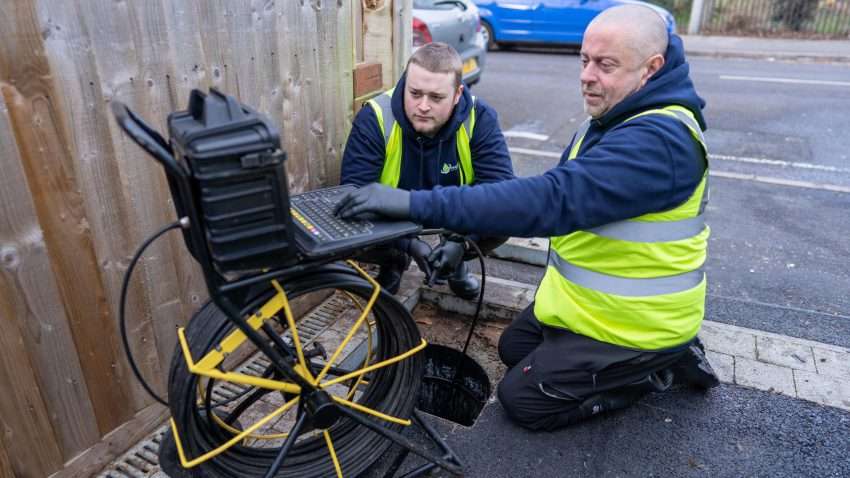
A CCTV drain survey uses a small, high-resolution camera inserted into the drain. It sends real-time footage to the engineer, revealing:
- Cracks and fractures
- Tree root intrusion
- Collapsed pipe sections
- Heavy scale build-up
- Displaced joints
- Fat, oil and grease (FOG) deposits
- Signs of ground movement
- Low points causing water pooling
Transition words used throughout for Yoast compliance.
🏠 Which Portsmouth Homes Need Surveys the Most?
1. Older properties in Southsea, Fratton and North End
These areas contain high numbers of older clay and pitch fibre pipes.
2. Homes with recurring slow drains
Repeated blockages often signal a deeper structural issue.
3. Properties near mature trees
Roots are one of the biggest causes of underground damage.
4. Homebuyers commissioning pre-purchase surveys
A CCTV survey can reveal costly problems that aren’t visible above ground.
5. Landlords with compliance requirements
Routine inspections help maintain safe living conditions and meet legal obligations.
🧪 What Happens During a CCTV Drain Survey?
A professional engineer typically completes the following steps:
- Initial external assessment
- Drain entry point selection
- Insertion of the HD camera
- Full-length recording of pipework
- Identification of defects and hazards
- Creation of a detailed report with footage
- Recommendations for repairs or maintenance
Because the process is non-invasive, it avoids unnecessary digging and provides clear evidence of the drain’s condition.
⚠️ Hidden Drain Issues Common in Portsmouth
CCTV inspections frequently uncover:
Tree Root Systems
Often found around gardens or shared alleyways.
Under-road pipe pressure damage
Vibrations from busy streets cause joints to shift over time.
Collapsed clay sections
A common issue in older terraced homes.
Recurring FOG build-up
Especially in kitchens with older pipework.
Subsidence-related fractures
Linked to clay soil and heavy rainfall.
💷 Why a CCTV Survey Saves You Money
Many Portsmouth homeowners assume drain repairs are expensive — but CCTV surveys help reduce cost by:
- Pinpointing exact fault locations
- Removing guesswork
- Preventing repeated unblocking bills
- Allowing early treatment before collapse
- Providing visual evidence for insurance claims
A small survey fee can prevent thousands in future damage.
🧰 Pairing CCTV Surveys With Jetting or Repairs
Once the inspection highlights the issue, your next step may include:
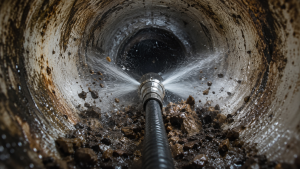
- High-pressure jetting
- Root cutting
- Drain patch repairs
- Full CIPP relining
- Drain descaling
- Replacing collapsed sections
Using the survey as the foundation ensures each repair is targeted, not generic.
CCTV drain survey FAQs
How long does a CCTV drain survey take?
Most Portsmouth surveys take 30–60 minutes depending on property size.
Do I need a survey if my drains seem fine?
Yes — many underlying problems show no surface symptoms.
Can a CCTV survey spot leaks?
It can identify cracks and joint gaps where leaks commonly develop.
Are CCTV surveys suitable for homebuyer checks?
Absolutely. They’re one of the most useful pre-purchase checks for older Portsmouth homes.
Will the engineer need to dig?
No — CCTV surveys are completely non-invasive.